Streamline Your Team's Visual Rhythm with an Employee Work Schedule Template
In the fast-paced world of graphic design and creative production, where deadlines are sacred and collaboration is key, managing your team's time is as crucial as managing your color palette. An Employee Work Schedule Template is a foundational tool that brings order to the creative chaos, ensuring your designers, marketers, and project managers are aligned and productive. This simple yet powerful resource makes it simple to plan, track, and manage staff shifts across days and weeks, forming the operational backbone of any successful studio or department.
Think of your workforce schedule as a critical piece of visual communication. Just as a well-designed logo communicates brand identity at a glance, a clear, well-structured schedule communicates workflow, availability, and responsibility. For small businesses, creative teams, or in-house departments, it helps ensure proper shift coverage during critical project phases, reduce scheduling conflicts that can derail a campaign, and improve overall workforce management. This clarity allows creative energy to be focused on design problems, not logistical ones.
Designing Your Operational Blueprint
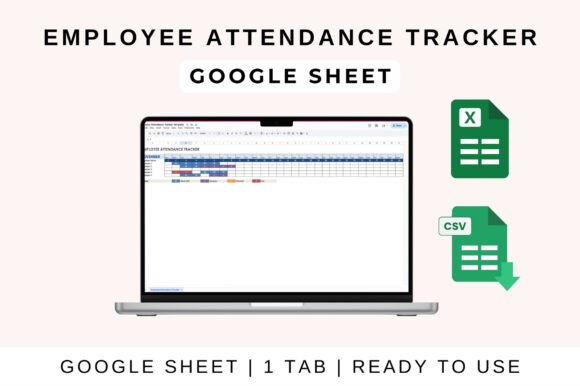
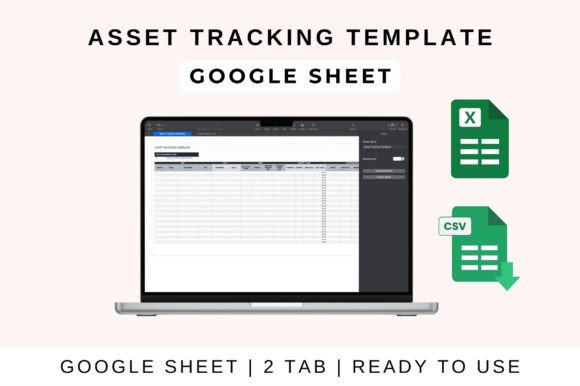
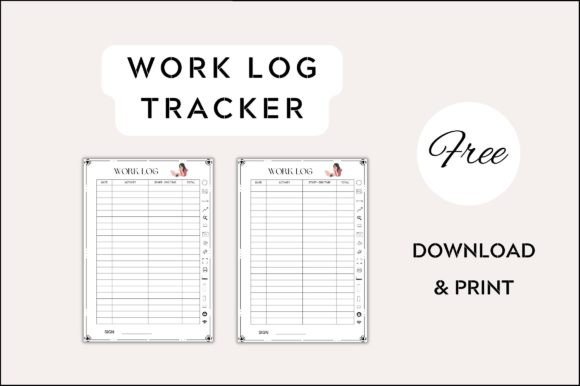
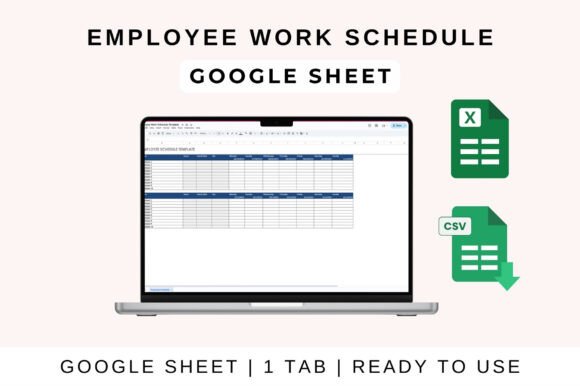
A professionally designed schedule template is more than a grid; it's a visual hierarchy for time. The best templates offer weekly & monthly formats, clearly marked shift times and employee names, and dedicated sections for breaks, overtime, and notes. They are printable & easy to customize, and crucially, work with Google Sheets, Excel & Apple Numbers. This compatibility ensures your schedule integrates seamlessly into your existing design workflow, whether your team is on-site or distributed.
The true value lies in its application to your creative projects. Consider how a stable schedule supports:
- Brand Identity and campaign rollouts that require synchronized team efforts.
- Marketing Materials production, where copywriters, designers, and strategists must hand off work efficiently.
- Social Media Graphics and content calendars, which thrive on consistent, timely execution.
- Website and UI Design sprints, where developer and designer availability must be tightly coordinated.
- Packaging Design and print projects, which have immovable production deadlines.
Integrating the Template into Your Digital Toolkit
Implementing the template is straightforward, much like applying a style guide. In Google Sheets, you simply upload the file to Google Drive, open it, and begin entering your team's data. The sheet will auto-calculate totals and overtime, allowing you to analyze workload and capacity. You can then customize categories and visuals to match your team's needs before sharing for real-time collaboration.
For those using Microsoft Excel, the process is equally efficient. Download the file, enable editing, and input your data. The built-in formulas will update automatically, and you can use the charting tools to gain insights into staffing patterns over time. This professional presentation of data helps in making informed decisions about resource allocation for upcoming advertising campaigns or digital product launches.
Aesthetic Considerations for Functional Tools
Even utilitarian tools benefit from good graphic design principles. When selecting or customizing your schedule, consider readability through clear typography, scalability for printing or screen use, and a clean color palette that distinguishes shifts or departments without causing visual clutter. A well-structured schedule enhances user experience (UX) for your team, reducing cognitive load and minimizing errors.
Ultimately, thoughtful design choices in your operational tools reflect a commitment to quality and efficiency. A high-quality Employee Work Schedule Template is a creative asset that improves both the aesthetics of your internal communication and the effectiveness of your team's output. By bringing visual order to time management, you empower your creative talent to focus on what they do best: producing exceptional work that strengthens your brand's presence across all touchpoints, from editorial design to packaging.