Mastering Project Risk: A Visual Designer's Strategic Template
Every ambitious creative project, from a full brand identity overhaul to a complex web design launch, carries inherent risks that can derail timelines and budgets. A Project Risk Management Template is the professional-grade tool that transforms this uncertainty into a structured, manageable process, ensuring your visual design outcomes are delivered with precision and confidence.
For designers and creative teams, this template is more than a spreadsheet; it's a strategic asset that integrates seamlessly into your design workflow. It provides a clear framework to identify potential issues early, whether they involve scope creep in a logo design, unexpected feedback delays in a marketing campaign, or technical constraints in UI design. By actively managing these risks, you protect the integrity of your creative vision and the resources invested in it.
Why Risk Management is a Cornerstone of Effective Visual Communication
Strong visual communication relies on consistency, clarity, and impact—qualities easily compromised by unmanaged problems. A risk template ensures that critical elements like your chosen typography, color palette, and imagery are not jeopardized by project disruptions. It fosters a proactive mindset, allowing you to maintain visual hierarchy and modern aesthetics even when challenges arise, ultimately strengthening the final brand identity and user experience.
Practical Applications Across Creative Projects
Integrating a risk management approach is vital across all design disciplines:
- Branding & Logo Design: Track risks related to client approval cycles, trademark conflicts, or scalability issues across different media.
- Website & UI/UX Design: Monitor technical feasibility, content readiness, and user testing feedback to safeguard the user journey.
- Packaging & Print Design: Manage production risks like color matching, material costs, and print deadlines to ensure a flawless physical product.
- Advertising & Social Media: Assess platform algorithm changes, content performance, and budget allocation for digital marketing campaigns.
- Editorial & Presentation Design: Control schedule risks and ensure content accuracy for professional, polished publications and pitches.
Implementing the Template for Maximum Creative Value
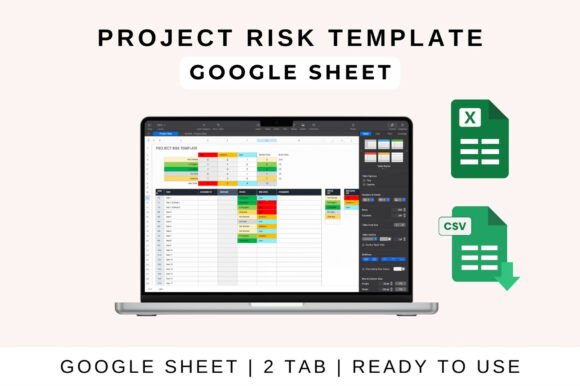
To leverage this tool effectively, start by populating the risk register during your project's discovery phase. Assign clear owners to each risk—perhaps the lead designer for visual risks and the project manager for logistical ones. Regularly review the auto-calculated risk scores and heat map during team check-ins. This visual summary is particularly powerful, as it allows you to quickly communicate project health to stakeholders, aligning everyone on priorities and mitigation strategies.
When evaluating risks, consider factors like audience expectations and design goals. A risk affecting brand consistency may have a higher impact than one causing a minor delay. Ensure your mitigation plans, like having backup creative assets or a revised design timeline, are compatible with your overall brand systems and quality standards.
Ultimately, thoughtful risk management is an extension of thoughtful design. It is the practice of anticipating and solving problems before they manifest, ensuring that every creative asset you produce—from a social media graphic to a full packaging suite—achieves its intended aesthetic and communicative power. By adopting a structured approach, you safeguard not just your project's timeline, but the very quality and impact of your visual work.